The Season Decides the Fabric and the Photograph
When yukata replaces kimono, which months photograph best, and the exact camera rules in Gion - public streets fine, private lanes ¥10,000.
The rental racks change with the calendar, and so do the pictures. A quick season map, then the camera rules that outrank all of it.
The fabric calendar
July and August are yukata months: unlined cotton, visibly cheaper, and the only sane choice in Kyoto’s steam-room summer - shops switch their racks accordingly and so should you. Spring and autumn are the kimono glory seasons: layered fabric is comfortable, and the backdrops (blossom in early April, maples in late November) do half the photographic work. Winter is the sleeper pick: thin crowds, crisp light, and the thermal-layer trick makes it comfortable to walk.
Where the photographs are best
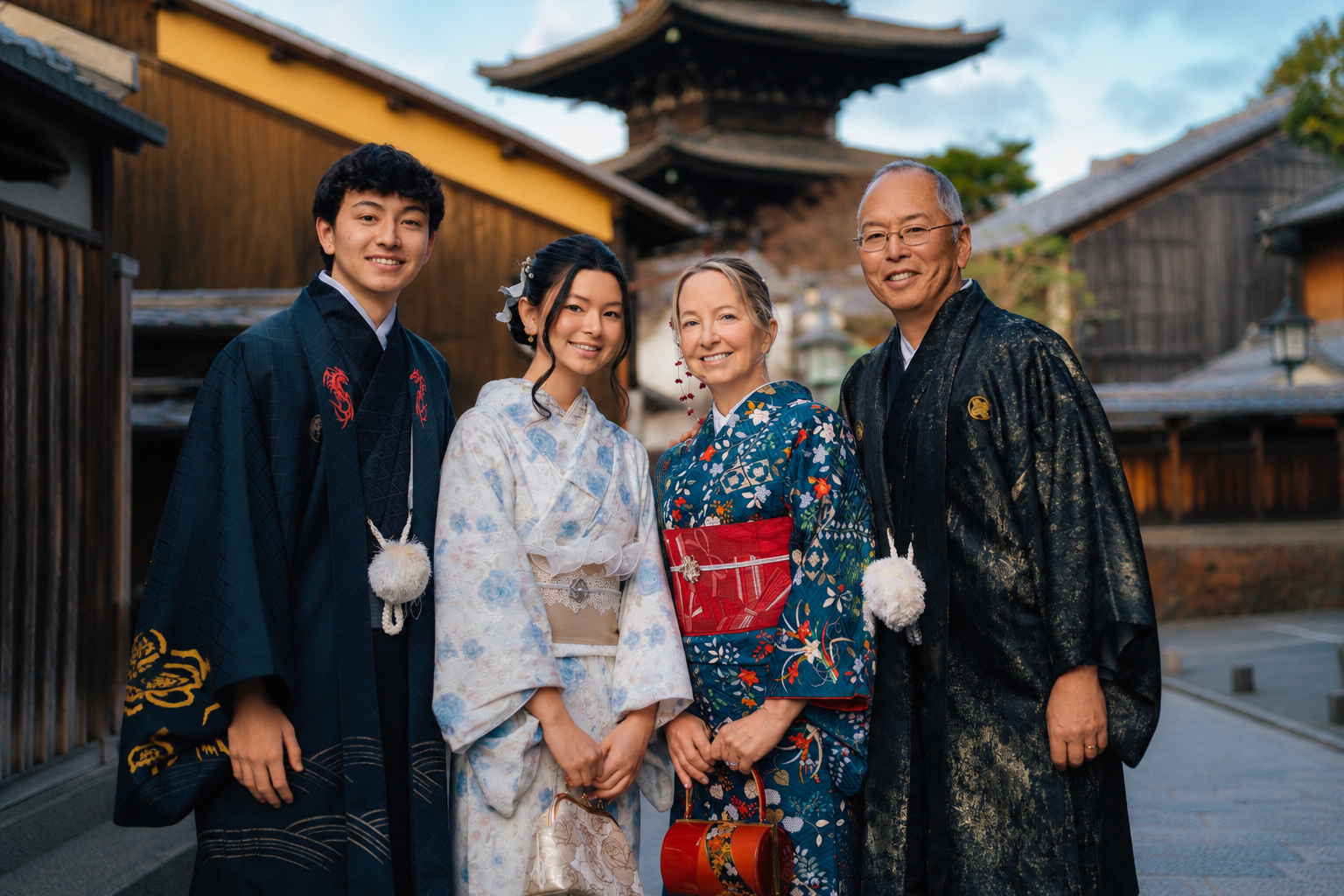
The Higashiyama lanes toward Kiyomizu-dera at morning light; the Shirakawa canal in Gion; bamboo at Arashiyama if you’re renting on that side of town. All public, all fine to shoot.
The Gion camera rules, exactly
Since 2019, Gion’s marked private lanes ban photography outright - ¥10,000 fine, with cameras posted - while the public streets, Hanami-koji included, remain legal to shoot. The practical rule costs nothing: read the street signs, shoot on the public streets, and never photograph working geiko or maiko without consent anywhere. Your kimono makes you part of the scenery; it doesn’t make them part of yours. An evening at the Gion Corner theatre is the legitimate way to actually watch maiko perform - bookable, ethical, and indoors when the weather argues.
Book the fitting for the season you’re in
Season characterizations are the stable Kyoto pattern; the Gion photography ordinance details grounded August 2026.
Book the Rental with Hairstyling
4.8/5 across 1,291 bookings. Kimono, obi and accessories, full dressing service and hairstyling, about $21 with free cancellation to 24 hours.
Check Availability